The Body Blueprint

A Different Way to Understand Pain and Movement

Pain is rarely random and it’s rarely just about the place where it hurts.

At MotionLine, pain is understood as the result of patterns.

It is looking at how the body has learned to move, stabilise, breathe, and protect itself over time.

These patterns develop gradually, often as intelligent adaptations to stress, injury, emotions, or lifestyle.


When pain persists, it’s usually not because the body is broken,

but because these patterns no longer serve you. You are not broken !


  • The MotionLine approach starts by changing how we look at the body, before changing what the body does.
  • Reconnect with certain part of your body that have been dormant for a very long period of time
body

Why Treating Isolated Parts Often Falls Short

This is why so many people feel confused when pain keeps coming back.

Many conventional approaches focus on where the pain shows up. But the body doesn’t work in isolated parts, it works as a system.

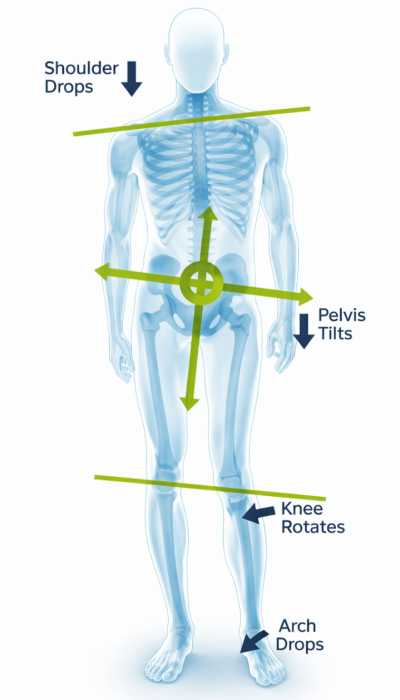
When one area becomes restricted, the body compensates elsewhere. Those compensations can feel strong, familiar, even “normal”  until they overload the system.

This is why pain often: – moves around – returns after treatment – shows up in places that “don’t make sense

Treating one joint, muscle, or symptom can bring temporary relief, but it rarely changes the underlying organisation of the body.

pain

The Five Principles Behind the Method

null
null

1. The Body Is a Connected System

No joint or muscle works alone.
Movement, breathing, and tension are always connected and influence each other.
myofascial release
myofascial release

2. Fascia Organises How We Move

Fascia is not just tissue, it’s a communication network that shapes posture, movement, and tension.
null
null

3. Movement Is Learned Behaviour

You are not stuck with how you move. Your body adapted strategies to feel safe and functional.
MotionLine sees movement as a skill you can upgrade by changing how your skeleton behaves in motion.
breath
breath

4. Breath Regulates the System

Breathing affects posture, tension, stability, and nervous system tone. Breath is not trained as a technique, but as part of integrated movement.
body
body

5. Awareness Changes Outcomes

Lasting change requires awareness, not just intervention.
Understanding what you feel and how you move turns passive treatment into active learning.

Coaching Instead of Fixing

Posture is not something you hold.

MotionLine does not do things to the body. It works with the person.


Rather than creating dependence on treatment, the approach helps people:

  • recognise patterns, understand signals, take responsibility without blame, build confidence in their own body


The goal is not endless sessions, but a body that feels predictable, capable, and trustworthy.

coach

What Changes When the Pattern Changes

When the body reorganises, change doesn’t feel forced, it feels natural.

People often notice:

– Movement feels lighter and more coordinated
– Pain becomes less dominant or less frequent
– Posture improves naturally
– Energy stabilises
– Confidence returns
– Fear around movement decreases

How This Approach Is Applied

This way of working is applied through The Body Blueprint.

A guided, step-by-step process that supports people.

From understanding their body to embodying new movement patterns over time.


If you want to learn how this approach is translated into practice, you can explore the Blueprint here.

0

Subtotal